Practicing Weissenborn Study #2
Performance and practice suggestions for Julius Weissenborn's Bassoon Studies, Opus 8, Study #2
Comments
Practicing Weissenborn Study #2 (2014, BDP #110). The public domain music for Opus 8/2 – 50 Advanced Studies is available here: Music from IMSLP | Alternate PDF
The original transcript is available here.
Videos
Captions are unavailable. The complete transcript follows.
Chapters
Transcript
00:19Introduction
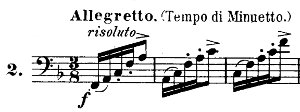
Welcome, this is Terry Ewell. There are three common problems with practicing and performing Weissenborn Study #2. First, this study is often performed too fast, with one beat in a measure. Weissenborn intended the study, however, to be performed with three beats in each measure. He provides the tempo allegretto with further instructions tempo di minuetto. This means the tempo of a minuet.
 Open full-size figure
00:50Slurred versus Tongued Notes
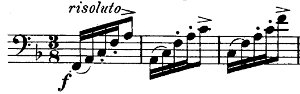
The second problem is that the slurred notes sound louder than the tongued notes. This is a common problem on wind instruments. Sustained notes sound louder than shorter notes. To correct this, the performer must give more air on the shorter notes to compensate. Examples: Poorly balanced. Well balanced.
 Open full-size figure
01:36Jaw Motion
The third problem is that bassoonists often move their jaws when tonguing notes. This is inefficient, and at worst it can change the pitch and timbre of the sound. The quality of the air and the position of the embouchure should be the same whether the notes are slurred or tongued. Examples: All slurred. With articulation.
02:25Practice in Front of a Mirror
Practice the exercise in front of a mirror to check your embouchure.
02:32Reflection
REFLECTION Then the LORD God took the man and put him in the garden of Eden to tend and keep it. (NKJV, Genesis 2:15) Your garden is everything you do in your life: how you practice your instrument, how you talk with others, and how you do your other activities. Consider what you can do to make your garden even more beautiful.
Credits
- author Terry B. Ewell
- composer Julius Weissenborn