Sixth Bassoon Lesson, Part 2
Use of flick or speaker keys. Studies by A Tune a Day,
Comments
Use of flick or speaker keys. Studies by A Tune a Day, Rubank, and Paine. By Terry B. Ewell. BDP#194. www.2reed.net/bdp.
The original transcript is available here.
Videos
Captions are unavailable. The complete transcript follows.
Chapters
Transcript
0:00Intro Music: Home Sweet Home
Intro Music: "Home Sweet Home" from A Tune a Day, lesson 29 number 6.
0:14New Fingerings
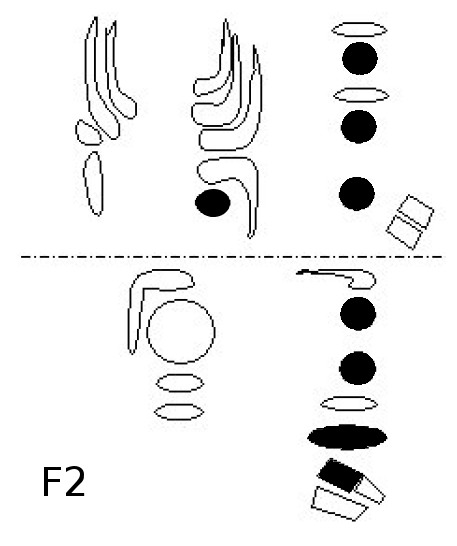
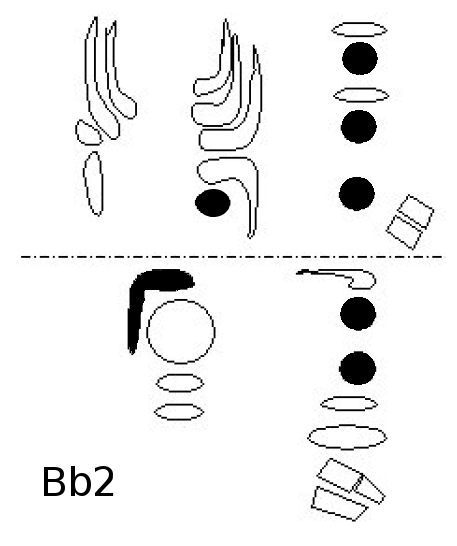
Let's start by looking at the new fingerings in this lesson.
0:21Section
F2 (Low F), Bb2 (Bb below open F), Bb3 (Bb above open F) and C4.
 Open full-size figure
 Open full-size figure
0:45Music and the Bassoon
I highly recommend the materials created by Professor Kristen Wolfe Jensen on the website "Music and the Bassoon." She has supplied a website with studies, suggested fingerings, sound files, and helpful videos. To support the materials in this lesson I suggest you look at videos and materials in units 20 and 25 on flicking. Music and the Bassoon
1:15More Studies on Flicking
Now, let's explore some more studies on flicking and other materials that expand your range.
1:24Rubank Lesson 6, Number 5
Now, let's take a look at Rubank lesson 6, number 5. I picked the third line because there are several flicked notes in a row. When you have several flicked notes in a row, you don't have to flick them individually, particularly if it is very fast. You can hold down the C speaker key.
1:48Section
Let me do this first for you with each note flicked. Example: Rubank lesson 6, number 5.
 Open full-size figure
2:14Holding the C Speaker Key
Here it is with the C speaker key held down for flicked notes that are adjacent to each other. Example: Rubank lesson 6, number 5.
 Open full-size figure
2:44Rapid Notes
This technique works very well, particularly for rapid notes.
2:51A Tune a Day Lesson 15, Number 7
Let's go on to A Tune a Day lesson 15, number 7. This etude I will also just depress the C key for the first three measures instead of flicking each note separately. Example: A Tune a Day lesson 15, number 7.
 Open full-size figure
3:25Hearing Pulses
Now, under the French Folk Song and many of the other melodies contained in A Tune a Day you will see some directions: "Think Count 1 2 3" or whatever numbers are given.
3:41Section
Now when I play I don't think of numbers, rather, I hear pulses. I think this is a more successful way to play. Sometimes it is confusing to try to get the numbers in sequence while you are playing. The important thing, however, is that you are hearing the beats.
4:02Paine Etude Number 14
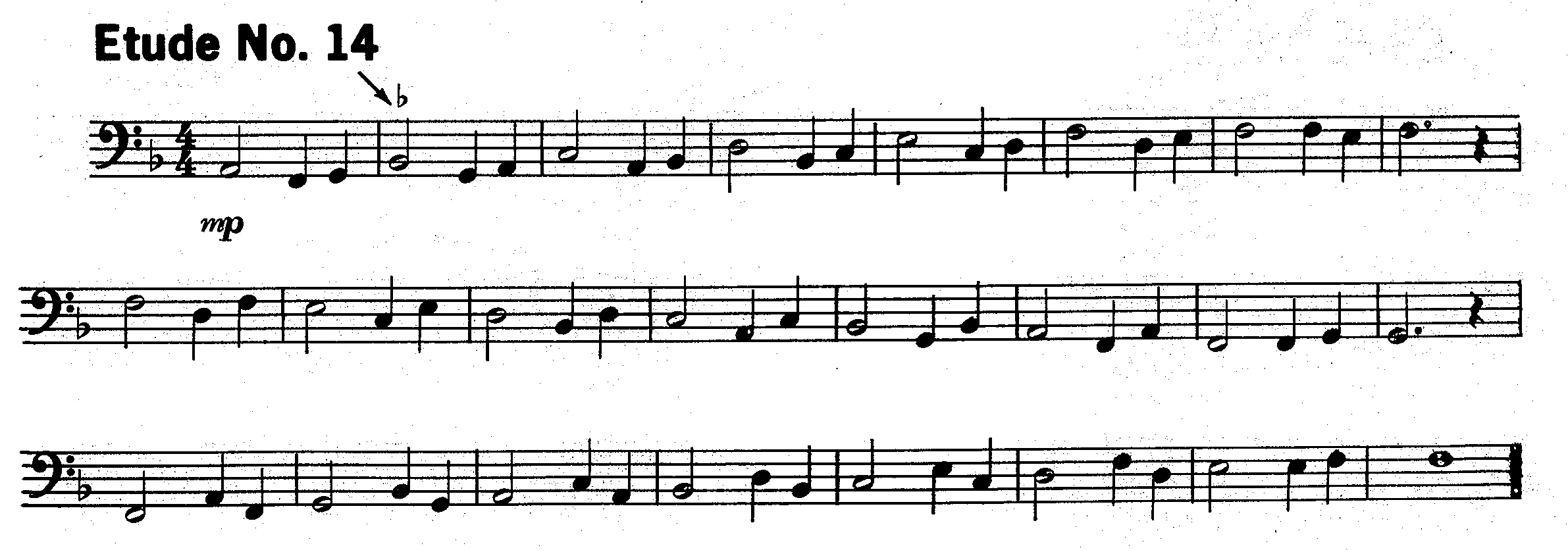
This next study, by Paine Etude number 14, introduces low F or F2. I will play the last line for you. Example: Paine Etude 14.
 Open full-size figure
4:45Holding Notes to Full Value
Make sure that you hold of the notes to full value, including the last whole note. That should be held for four full counts. Thank you, bye.
4:59Section
Closing Music: "Home Sweet Home" from A Tune a Day, lesson 29 number 6. ------------------------------------------------------------------------ Copyright (c) 2016 By Terry B. Ewell. All rights reserved.
Resources
References
- Reference: Terry B. Ewell, “Teaching the Beginning Bassoonist,” The Double Reed 23/2 (2000): 35–43.here
Credits
- author Terry B. Ewell