Eighth Bassoon Lesson, Part 1
Articulation: stopping with the tongue, stopping with the air and embouchure, also hard and soft stops with the tongue. Practice technique: tongued diminuendo. New fingering, Eb3. By Terry B. Ewell. Bassoon Digital Professor video #197. www.2reed.net/bdp.
Comments
Articulation: stopping with the tongue, stopping with the air and embouchure, also hard and soft stops with the tongue. Practice technique: tongued diminuendo. New fingering, Eb3. By Terry B. Ewell. BDP#197. www.2reed.net/bdp.
The original transcript is available here.
Videos
Captions are unavailable. The complete transcript follows.
Chapters
Transcript
0:00Intro Music: Home Sweet Home
Intro Music: "Home Sweet Home" from A Tune a Day, lesson 29 number 6.
0:15Wind and Tongue Independence
In this lesson we will continue our work with long tones and dynamics. Dynamics are controlled with the wind. Articulation is most often controlled with the tongue. These two—the wind and tongue—can operate independently. They do not need to be linked. Often I find a common problem: articulation by many students is linked to the wind and not just the tongue.
0:51Broken Crescendo
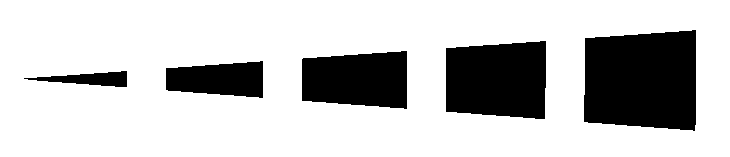
Let’s illustrate this by having a “broken crescendo.”
 Open full-size figure
Broken Crescendo, continued
Example: broken crescendo stopped with the tongue.
1:07Section
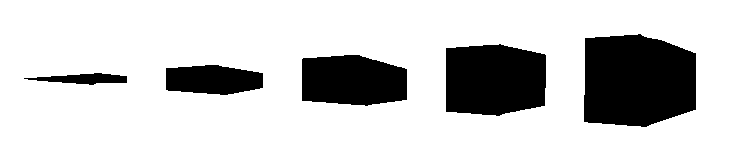
I stopped each portion of that crescendo with my tongue. Now notice that the effect is very different if I try to make the crescendo by stopping with the air.
 Open full-size figure
Section, continued
Example: broken crescendo stopped with the air and embouchure.
1:28Air and Embouchure Stops
With an air and embouchure stop to each note, the motion is halted a bit. That is OK if that is the effect you want. However, if you want to really direct the musical motion through separated notes, then use just the tongue for articulation. This is more effective.
1:48Playing on the Wind
I have a video on “Playing on the Wind” that talks about this more. Playing on the Wind
1:58Weissenborn Page 12
Let’s illustrate this method of articulation and musical shaping in Weissenborn page 12.
2:05Section
First I will play the last two measures and then I will give the same gesture by playing the first two measures.
 Open full-size figure
Section, continued
Examples from Weissenborn page 12, Moderato.
2:27Section
Notice that I shape the gesture with the wind. It is with my air, it is with my dynamics that the gesture, the phrase is shaped. The articulation I am shaping with the tongue. In these last two measures I use a legato tongue separating the pairs of eighth notes. In the first two measures I separate the staccato with my tongue as well. Let me play that again. Examples from Weissenborn page 12, Moderato.
3:08Changing Tongue Contact
Did you notice that I didn’t change my embouchure or air (between the two). I kept them the same, I just changed the contact of the tongue on the reed.
3:20Section
Now I find that some students can’t do this immediately. They have conditioned themselves to like the tongue with the embouchure and the air in every articulation. Hopefully you can avoid that bad habit.
3:35Section
I will play for you again that last gesture, the last two measures, again followed by the first. Examples from Weissenborn page 12, Moderato.
3:55Review of Tongue vs. Air Stops
Now, if you don’t remember the difference between the tongued stop of the notes vs. the stop of embouchure and air, please review my third video in these bassoon lessons. That is BDP #33.
4:17Hard and Soft Tongue Stops
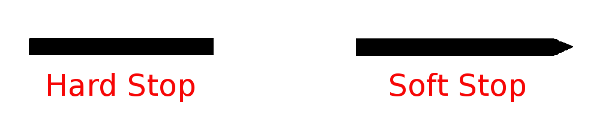
Now tongued stops on the reed can vary. I can stop a note quite abruptly.
 Open full-size figure
Hard and Soft Tongue Stops, continued
Example of hard, abrupt stops.
4:34Section
Or I can stop it less suddenly. Example of soft, slower stops.
4:43Tongued Diminuendo
In fact if you gain enough control of your tongue on the reed, you can even create a tongued diminuendo. Example of diminuendo with the tongue only. I am stopping the reed with my tongue.
4:57Section
Let’s stop here for a moment and let me explain this concept further. I only demonstrate here the tongued decrescendo or diminuendo for the purposes of practice. For you to learn to control your tongue on the reed. I never do this slow stop in performances. However, the soft stops of notes are really just tongued diminuendos occurring faster. So if you learn to master this slower stop of the notes with the tongue then you will gain control of the stops of the notes at a quicker tempo. So I encourage you to practice this exercise and practice the timing of your stops: shorter or slower.
5:54Tongue Placement on the Reed
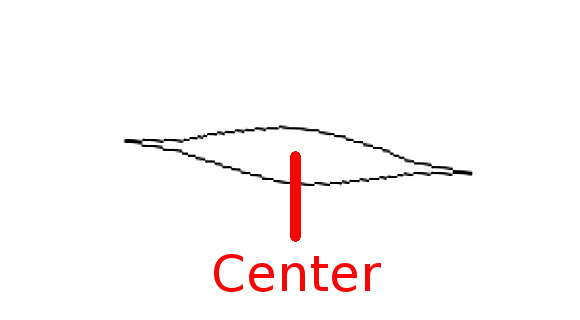
Now when your tongue hits the reed you can make it more abrupt by tonguing right in the center of the reed.
 Open full-size figure
6:02Section
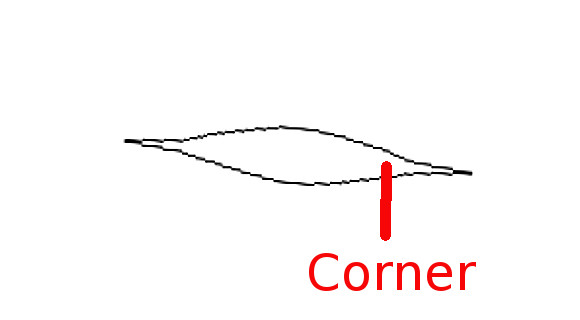
You can make it less abrupt by tonguing more towards the edge. In this case my reed is at a little bit of a slant. I can tongue the lower right hand corner.
 Open full-size figure
Section, continued
Example of legato (right hand corner) tonguing. That gives very smooth tonguing.
6:20Section
So experiment with where your tongue contacts the reed for more subtle articulation.
6:27Air and Embouchure Stops
Now, I can also stop with the air and embouchure. Example of air and embouchure stops.
6:39Section
Learning to vary your articulations will prepare you for much greater musical expression. You need to master all of these techniques so that you will have the widest range of articulations available.
6:49Eb3 Forked Fingering
Well Eb3 on the bassoon deserves special attention. It is what is considered a “forked fingering” because a finger is skipped.
7:06Section
Here we have one finger down, one finger down, this finger is skipped.
7:12Section
Here are two standard fingerings for Eb3. Choose one of these two fingerings that has the best sound and intonation for you. For fast passages I use this Eb fingering.
7:33Closing Comments
Keep on practicing! Just a few more lessons in this series left. Bye.
7:39Section
Closing Music: "Home Sweet Home" from A Tune a Day, lesson 29 number 6. ------------------------------------------------------------------------ Copyright (c) 2016 By Terry B. Ewell. All rights reserved.
Resources
References
- Reference: Terry B. Ewell, “Teaching the Beginning Bassoonist,” The Double Reed 23/2 (2000): 35–43.here
Credits
- author Terry B. Ewell