Weissenborn Study #44
Weissenborn Opus 8/2, Study #44 for advanced bassoon
Comments
Weissenborn Opus 8/2, Study #44 for advanced bassoon students. Comments on theme and variation. Guest performer Andrew Delclos. By Terry B. Ewell, Bassoon Digital Professor. BDP #152.
The original transcript is available here.
Videos
Captions are unavailable. The complete transcript follows.
Chapters
Transcript
0:18Introduction
Welcome, this is Terry Ewell.
0:20A Short Tutorial and Reflection
This study is so lengthy that I will keep the tutorial and reflection in this video quite short.
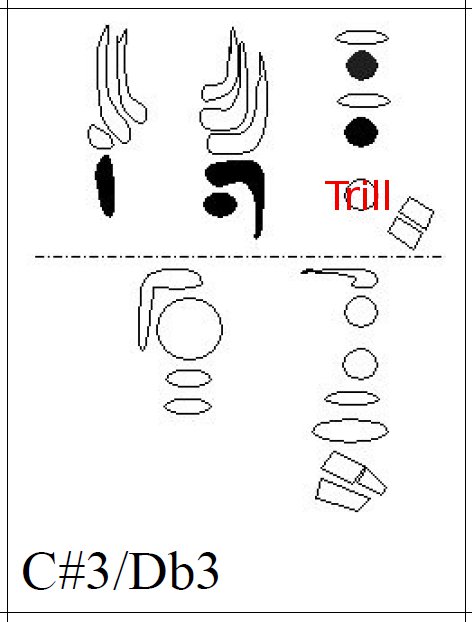
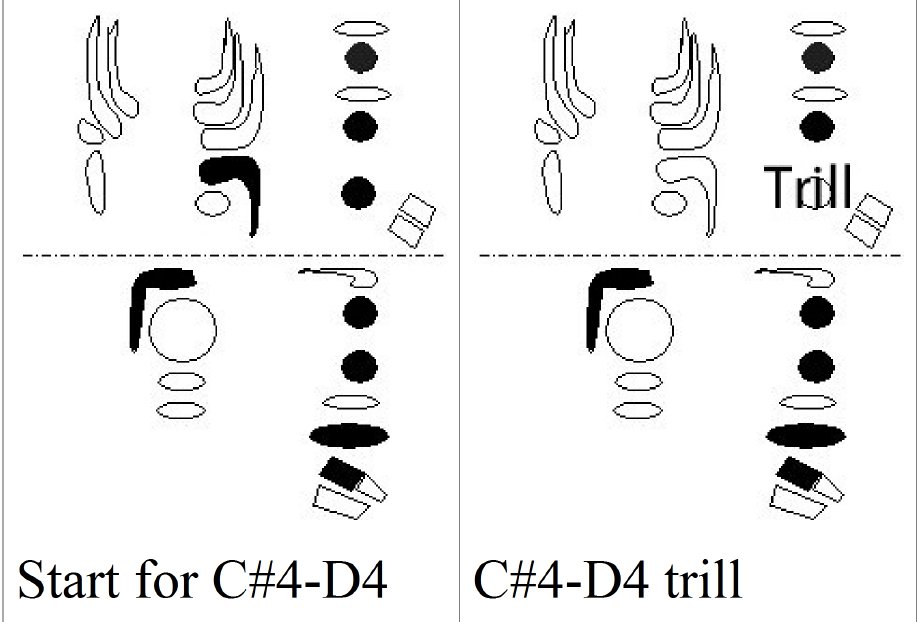
0:28Variation II Trill Fingerings
In Variation II the two trills are fingered like this:
 Open full-size figure
 Open full-size figure
0:37Agogic Accents
I suggest that you make the accents in this study by means of lengthening the notes rather than giving more air on the notes. Please see my more detailed discussion of agogic accents in Weissenborn study #23, BDP #131.
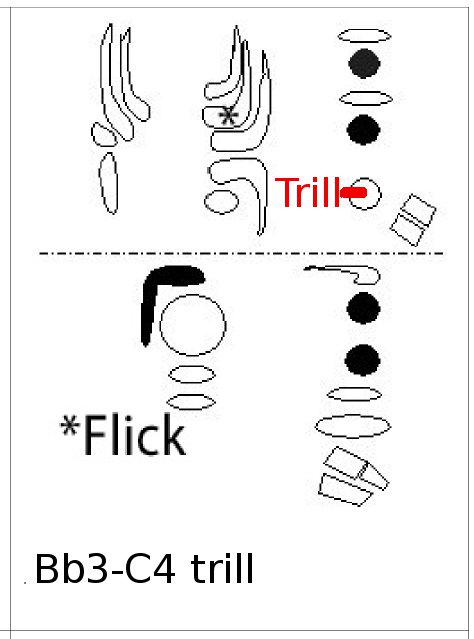
0:58Variation III Trill Fingering
In Variation III the Bb3 to C4 trill is played like this:
 Open full-size figure
1:05Variation IV in Gb Minor
Variation IV is in Gb minor. When I perform a minor key variation placed in the middle of a major key composition I change the tempo of performance and the timbre of my sound.
1:19Tempo and Timbre
I suggest you perform this variation slightly slower. Return to the faster tempo at the Coda.
1:25Darkening the Sound
Also dampen the reed to gain a darker sound as well. Moving your embouchure from 2A to 2B or 2B to 2C will help achieve this result.
1:33Embouchure Changes
I discussed changes in embouchure in the reflection portion of Weissenborn Study #34 in this series. God willing I will further discuss changes in embouchure in Weissenborn Study #50. ------------------------------------------------------------------------ # REFLECTION
1:58Reflection: Theme and Variation in Life
This study is a theme and variation. Have you thought about how the concept of theme and variation applies to your life? What is the core of your life, what are the things you absolutely won't alter? What is it that defines your character?
2:17The Theme of Your Life
What is the theme to your life? What are the things that you will vary? What are the things you can do to enhance those life values?
2:28A Mission Statement
Many people write out a mission statement to provide better direction to their lives. What would your mission statement be?
2:38Schenker and the Foundation of a Life
Let me leave you with another analogy. Heinrich Schenker studied the music of Beethoven and other German composers from the Common Practice Period. His theory included the idea that great composers made use of a limited number of background lines and then "composed out," elaborated, or created the composition we hear. Your life theme or mission statement is thus the foundation upon which you build the details of your life.
Credits
- author Terry B. Ewell
- composer Julius Weissenborn